
Do You Know?
Missing Teeth? Understand Your Replacement Options
Missing even one tooth can affect chewing, the position of neighbouring teeth and the way your bite functions. Whether you have lost one tooth, several teeth or all your teeth, the right replacement depends on your oral health, bone and gum condition, remaining teeth, priorities and budget.
At Dentessence Dental Care, Dr. Gaurav Kumar Goel, MDS Prosthodontics, helps patients understand the available options—from conventional dentures and bridges to dental implants and implant-supported teeth.
Call 75990 15990 WhatsApp UsWhy Should Missing Teeth Be Replaced?
A missing tooth is not always just a cosmetic concern. Depending on its location and the condition of the remaining teeth, tooth loss can affect chewing, speech, appearance and the distribution of forces during biting. Teeth beside a gap may drift, and the opposing tooth may move into the space. These changes can complicate future treatment.
Chewing and comfort
Missing teeth can make it harder to chew certain foods comfortably and may alter how the remaining teeth meet.
Movement of remaining teeth
Adjacent or opposing teeth may shift over time, potentially affecting bite relationships and the space available for replacement.
Jawbone changes
After tooth loss, the bone in that area can gradually remodel. The amount varies from person to person and depends on several factors.
Appearance and speech
Depending on which teeth are missing, tooth loss may affect the smile, facial support or pronunciation of certain sounds.
Which Specialist Should You Consult for Missing Teeth?
A prosthodontist is a dentist with additional postgraduate specialist training in restoring and replacing teeth. Prosthodontics covers treatment planning for dental crowns, bridges, dentures, implant-supported teeth and complex restorative cases, including situations where the bite or many teeth need to be rehabilitated.
Dr. Gaurav Kumar Goel holds an MDS in Prosthodontics. At Dentessence, treatment planning takes into account not only the replacement tooth, but also the condition of the supporting tissues, the bite, appearance, maintenance and long-term function. Other dental specialists may be involved when gum treatment, oral surgery or additional care is indicated.
Our approach: the Five E’s
Education, Expertise, Experience, Equipment and Ethics.
We aim to explain the alternatives clearly, discuss their benefits and limitations, and recommend treatment based on clinical findings rather than assuming that the most complex or expensive option is automatically the best.
Read more about our treatment philosophy: We encourage patients to ask questions and understand their treatment.
Options for Replacing Missing Teeth
The best choice depends on how many teeth are missing, where the gaps are, the health of the remaining teeth and gums, available bone, medical history, personal preferences and the cost of treatment. These are the main options that may be considered after an examination.
1. Dental Implants
A dental implant is placed in the jawbone to support a crown, bridge or full-arch restoration. Implants may be considered for a single missing tooth, multiple missing teeth or complete tooth replacement. Suitability depends on factors such as bone volume, gum health, medical history and maintenance.
Explore dental implant treatment →2. Dentures
Removable dentures can replace several teeth or a complete dental arch. Options include complete dentures, partial dentures and selected implant-supported or tooth-supported overdentures. Design and retention depend on the mouth's anatomy and the teeth or implants available for support.
Explore denture options →3. Dental Bridges and Crowns
A bridge can replace one or more missing teeth by using support from neighbouring teeth or, in some cases, implants. Conventional tooth-supported bridges usually require preparation of the supporting teeth, so their condition must be assessed carefully. Crowns restore damaged teeth that remain present; they do not, by themselves, replace a missing tooth.
Learn about crowns and Bridge treatment →4. Full Mouth Rehabilitation
When multiple teeth are missing, severely worn or damaged, or the bite has become complicated, a coordinated restorative plan may be needed. Depending on the diagnosis, this may involve a combination of crowns, bridges, implants, onlays, veneers or dentures.
Explore full mouth rehabilitation →Not every option is suitable for every patient. A clinical examination and appropriate investigations are needed before deciding on treatment.
What About Digital Dentistry?
Digital tools can support diagnosis and planning for selected treatments. Depending on the case, these may include three-dimensional intraoral scanning, dental imaging such as CBCT when indicated, computer-assisted implant planning and digitally designed restorations or surgical guides.
Digital technology is a planning aid—not a substitute for clinical judgement. The appropriate workflow depends on the treatment, anatomy and diagnostic requirements of each patient.
Read about digital planning for dental implants or discuss whether digital records would be useful for your treatment.
Why Consider Dentessence Dental Care in Noida?
Specialist-led treatment planning
Prosthodontic assessment helps coordinate the replacement of missing teeth with the condition of the remaining teeth and bite.
A range of treatment choices
Depending on clinical suitability, options may include removable dentures, bridges, implant-supported restorations and more comprehensive rehabilitation.
Digital tools where appropriate
Intraoral scanning and digital planning can be incorporated when they are useful for the proposed treatment.
Clear discussion and follow-up
We encourage patients to ask questions, understand maintenance requirements and discuss the benefits, limitations and costs of each suitable option.
Dentessence Dental Care is located at Ground Floor, A-1, Sector 41, Noida. The clinic is on the ground floor and is wheelchair accessible.
Frequently Asked Questions About Missing Teeth
Do I need to replace every missing tooth?
Not every case is identical. The decision depends on the location of the missing tooth, bite, remaining teeth, function and the patient's overall oral health. A dentist can explain the risks of leaving a gap and the available options for your specific situation.
Are dental implants always better than dentures?
No single treatment is best for everyone. Implants may provide fixed or improved support in suitable cases, while removable dentures may be more appropriate for other patients. Bone condition, medical history, maintenance, treatment time, preferences and budget all matter.
Can I get implants if I have been missing teeth for years?
It may still be possible, but the available bone and the health of the gums need to be assessed. Some patients may require additional procedures, while others may be better suited to a different type of tooth replacement.
Is treatment possible for older adults?
Age alone does not automatically rule out treatment. General health, medicines, ability to maintain oral hygiene, bone and gum condition, and the proposed procedure should be assessed before a treatment plan is made.
How much does replacing missing teeth cost?
Costs vary according to the number of teeth being replaced, the type of restoration, clinical complexity, materials and any additional treatment required. An examination is needed to provide a meaningful estimate and compare suitable alternatives.
How do I know which option is right for me?
Begin with a clinical assessment. Your dentist can examine the remaining teeth and gums, assess your bite, arrange imaging if indicated, and explain the advantages, limitations, maintenance and likely costs of the available options.
Missing One Tooth or Several? Start with an Assessment.
You do not necessarily need implants, and a removable denture is not the only alternative. A specialist assessment can help you understand the options that fit your clinical needs and priorities.
Dentessence Dental Care · A-1, Sector 41, Noida
Call 75990 15990 WhatsApp for an Appointment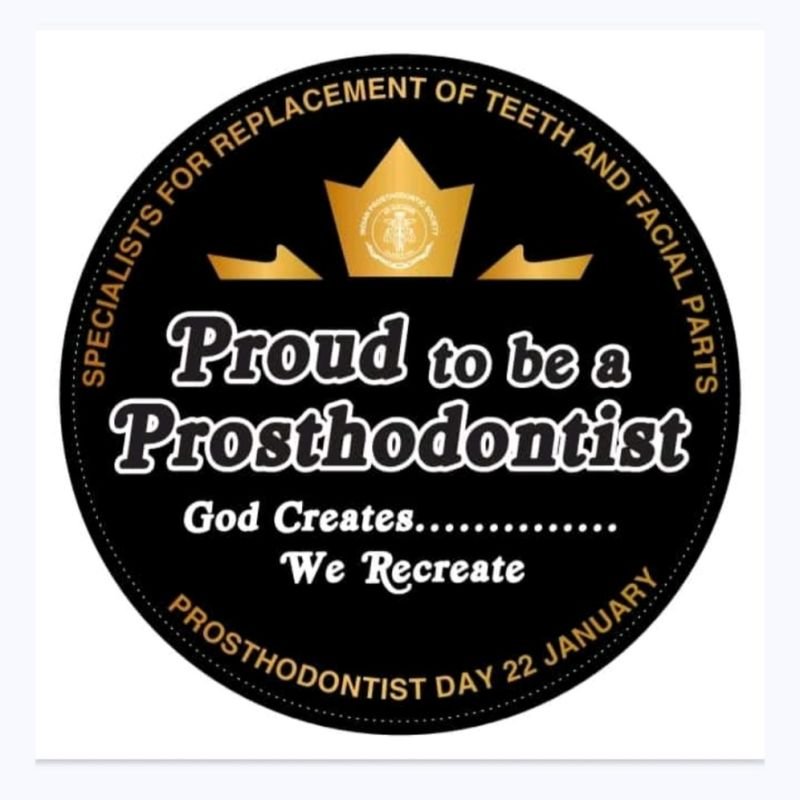
A prosthodontist is the only DCI (Dental Council of India) certified specialist for replacement of missing teeth with Implants, Dental Crowns/Bridges, Dentures, etc. Prosthodontists undergo 3 years of additional advanced training (MDS) in Prosthodontics after BDS and have in-depth Knowledge and experience about various aspects of tooth replacements like Dental Implants, Crowns/Bridges, movements of Jaw, Occlusion, Etc.
What would you like to know more about?

Dental Implants can be used to replace one or many missing teeth. They look feel and function just like natural teeth.
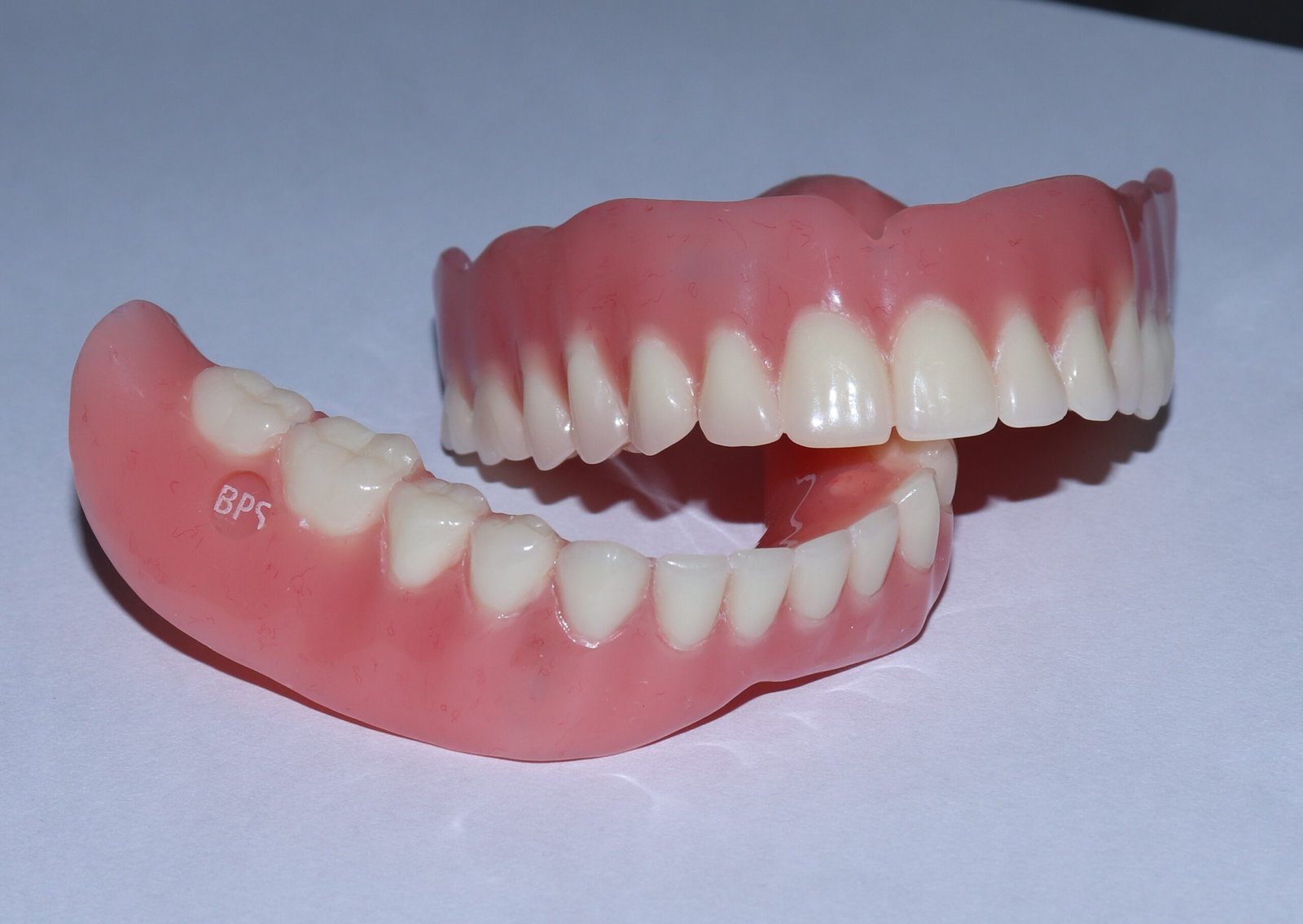
Removable Dentures to replace missing teeth. Partial Dentures (Metallic framework and non metal), Complete Dentures and OverDentures.
If your teeth have worn down, have become sharp or are extremely sensitive to cold, you may need a full mouth Rehabilitation.

Transform your smile with Bonding, laminates, veneers. etc. You can tweak it just the way you want.
We use latest 3D Intraoral scanners and 3D CBCT scan and advanced software for planning for Implants and smile designing.
We provide Metal Free Digital Crowns with Digital Impression with 3D Intraoral Scanner