
Full Mouth Rehabilitation in Noida
When multiple teeth are worn, damaged, missing or no longer working together comfortably, treatment may need to address the entire bite—not just individual teeth.
Full mouth rehabilitation is a comprehensive approach to restoring oral function, tooth structure and appearance. At Dentessence, treatment planning considers the teeth, gums, bite, jaw relationships and the restorative options appropriate for each patient.
The treatment plan depends on a comprehensive examination, diagnostic records and discussion of the available options.
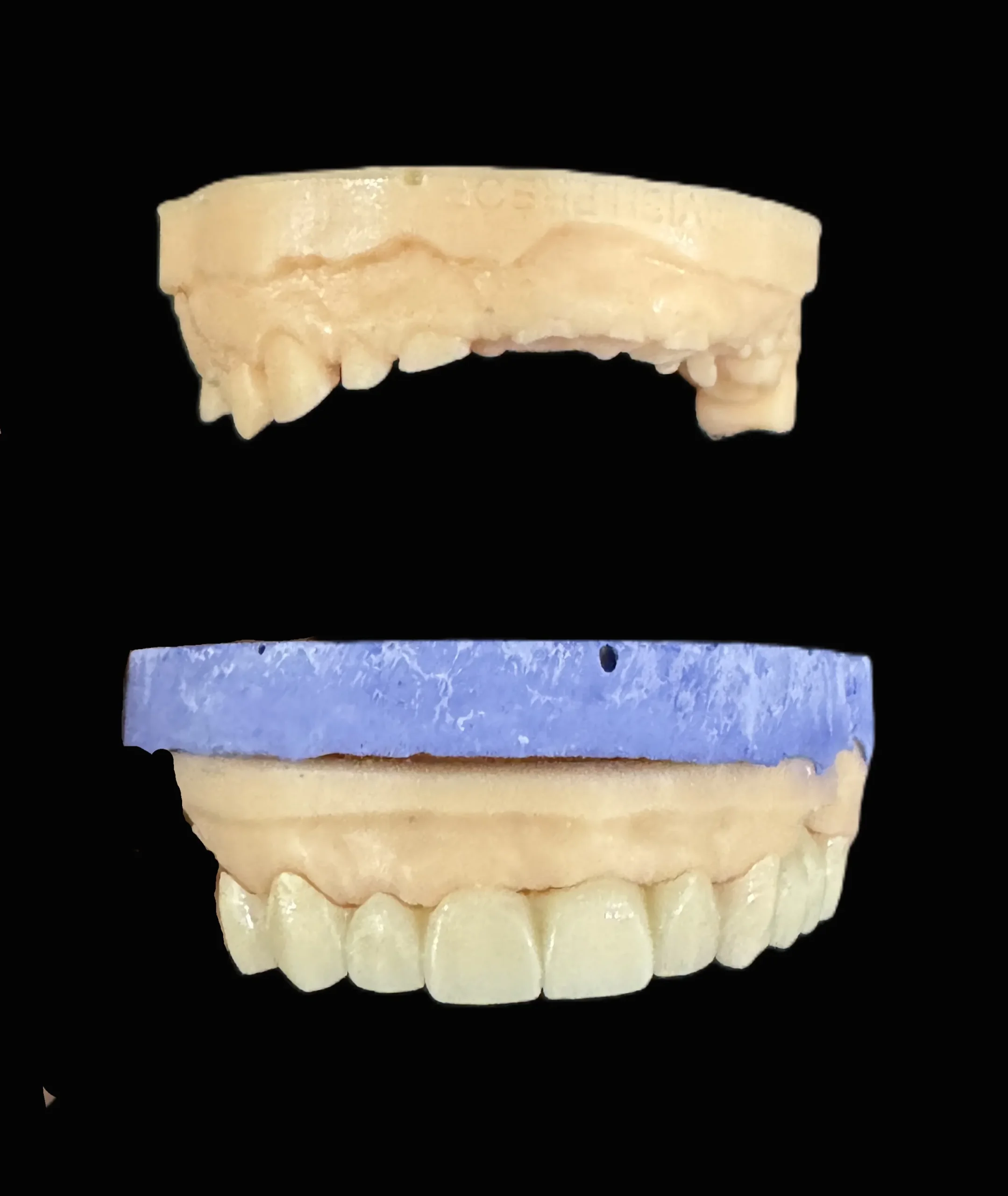
What Is Full Mouth Rehabilitation?
Full mouth rehabilitation, also called full mouth reconstruction in some contexts, is a coordinated treatment plan involving multiple teeth and sometimes the supporting oral structures.
Depending on the clinical findings, treatment may combine crowns, bridges, direct restorations, root canal treatment, dental implants, removable prostheses or other procedures. The aim is to restore a comfortable and functional bite while addressing the appearance and structural condition of the teeth.
It is not a single standard procedure. Some patients need extensive restorative work, while others may benefit from a more conservative plan that preserves as much healthy tooth structure as possible.
A rehabilitation should consider how the teeth meet, how the restorations can be cleaned and maintained, and how the final smile fits the patient's needs—not appearance alone.
Who May Need Full Mouth Rehabilitation?
A comprehensive restorative assessment may be appropriate when several dental problems affect function, comfort or appearance.
Severely Worn Teeth
Advanced wear from grinding, clenching, erosion or other causes may reduce tooth structure and alter the bite. The cause should be evaluated before planning restorations.
Broken or Heavily Restored Teeth
Multiple chipped, fractured or extensively restored teeth may require coordinated treatment to rebuild their form and function.
Multiple Missing Teeth
Missing teeth can affect chewing and the way the remaining teeth meet. Options may include bridges, implants, dentures or combinations of treatments.
Occlusal Discrepancies
When the bite is unstable or restorations repeatedly fail, the relationship between the teeth and jaw movements may need careful evaluation.
Multiple Failed Restorations
Repeated fractures, worn crowns or failing bridges may indicate a need to reassess the overall treatment plan, underlying causes and maintenance requirements.
Functional and Aesthetic Problems
Some patients have several concerns at once, such as worn teeth, altered tooth proportions, missing teeth and difficulty chewing. These need to be planned together.
Jaw-joint symptoms do not automatically mean that full mouth rehabilitation is required. They need appropriate assessment, and treatment should be based on the specific diagnosis.
Why Detailed Bite Analysis Matters
In complex cases, the dentist needs to understand not only the condition of individual teeth but also how the teeth, restorations and jaw movements work together.
Clinical examination
The assessment may include tooth structure, existing restorations, gum health, mobility, tooth wear, missing teeth, bite contacts and the condition of the supporting tissues.
Diagnostic records
Photographs, radiographs, digital scans or impressions and bite records may be used as appropriate to document the starting condition and support treatment planning.
Jaw relationships and articulation
In selected complex cases, facebow records and articulators can help evaluate jaw relationships and simulate aspects of mandibular movement during restorative planning.
Restorative design
The planned tooth shape, bite, material, cleaning access and relationship with the opposing teeth must be considered before definitive restorations are made.
At Dentessence, the full mouth rehabilitation approach includes the use of Whip Mix articulators and facebow records in appropriate cases. The records and instruments selected depend on the individual diagnostic needs.
Individualised Treatment for Complex Dental Needs
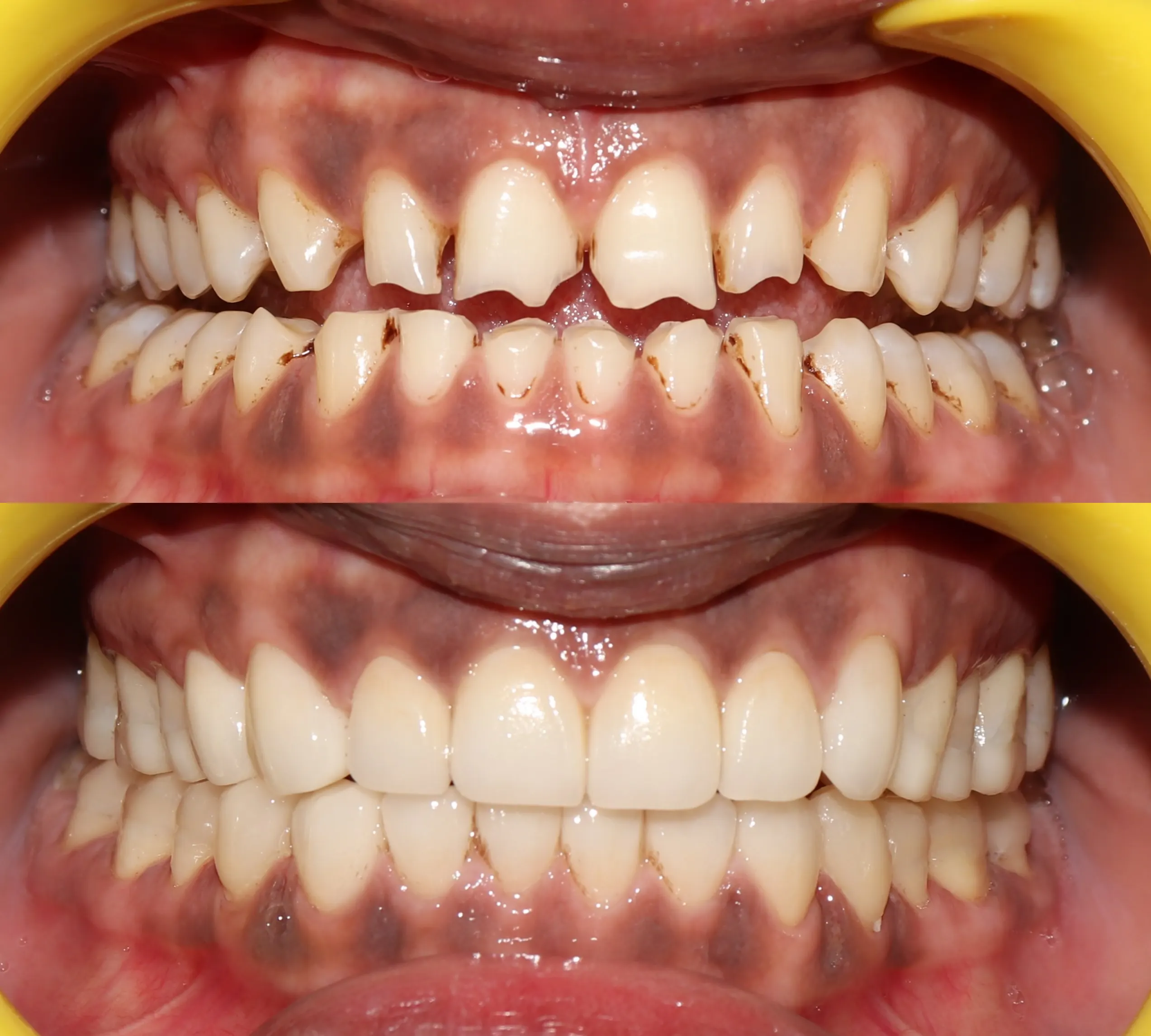
Full mouth rehabilitation often involves a sequence of procedures rather than one appointment. Treatment is planned around the condition of the teeth, the bite, the supporting tissues and the restorations required.
Where clinical photographs are available, they can help illustrate the initial condition and the completed treatment. Each case is different, and an individual photograph should not be taken as a guarantee of a similar result for another patient.
Publish patient photographs only with appropriate consent. Add a specific treatment caption only when the case details are confirmed.
What Treatments Can Full Mouth Rehabilitation Involve?
A treatment plan may combine several procedures. The choice depends on the diagnosis, the amount of remaining tooth structure, gum health, the bite and the patient's goals.
Dental Crowns
Crowns cover and restore selected teeth that have been extensively damaged, weakened or otherwise require full-coverage restoration.
Bridges
Bridges replace missing teeth by using appropriate supporting teeth or implants. The design depends on the supporting structures and the location of the gap.
Dental Implants
Implants may replace missing tooth roots and support crowns, bridges or full-arch restorations when clinically suitable.
Direct Restorations
Selected damaged areas may be repaired with tooth-coloured restorative materials when this can adequately restore the tooth.
Root Canal Treatment
A tooth with pulpal disease or damage may need endodontic treatment before its final restoration, depending on the diagnosis.
Dentures and Overdentures
Removable or implant-retained prostheses may be considered when several or all teeth are missing and the clinical situation supports this approach.
Choosing Materials for Crowns and Bridges
The material is selected according to the tooth's position, the available space, bite forces, aesthetic requirements, remaining tooth structure and the design of the restoration. No single material is ideal for every situation.
Zirconia
Zirconia restorations are used in a range of restorative situations. The specific type, design, thickness and finishing protocol influence their suitability.
Lithium Disilicate (e.max)
Lithium disilicate ceramics can offer favourable aesthetics in selected cases. Their use depends on restoration design, available space and functional demands.
Metal-Ceramic
Metal-ceramic restorations combine a metal substructure with a ceramic outer layer and may be considered where their properties suit the case.
Metal and Other Restorations
Other restorative materials may be appropriate for selected teeth or clinical situations. The decision should reflect function, longevity considerations, appearance and cost.
Diagnosis, preparation design, occlusion, laboratory quality, fit, hygiene and maintenance all contribute to the performance of the final restorations.
How Is Full Mouth Rehabilitation Planned?
Comprehensive assessment
The dentist documents the condition of the teeth, gums, bite and supporting structures and identifies the underlying problems that need attention.
Diagnosis and discussion
Suitable options are explained, including their benefits, limitations, expected stages, maintenance needs and estimated costs.
Stabilise oral health
Where necessary, gum disease, active decay, infection and other immediate problems are treated before definitive restorative work proceeds.
Plan the bite and restorations
Appropriate records and diagnostic tools are used to coordinate the planned tooth shape, bite, material and restoration sequence.
Provisional and definitive treatment
Temporary restorations may be used in selected cases to assess function and appearance before final restorations are made.
Review and maintenance
The completed restorations are reviewed, and a maintenance plan is provided to monitor the teeth, gums, bite and restorations over time.
What Should You Know Before Starting?
Treatment may take time
Complex cases can involve multiple appointments and healing stages. The timeline depends on the procedures required and the response to treatment.
Conservative options matter
Not every tooth needs a crown, and not every patient needs full mouth reconstruction. The plan should preserve healthy tooth structure whenever appropriate.
Underlying causes need attention
Grinding, clenching, erosion, gum disease or other contributing factors should be considered to help protect the rehabilitated dentition.
Maintenance remains essential
Restorations can wear, chip or loosen, and gum health can change. Good daily hygiene and regular reviews are important after treatment.
Grinding, Clenching and Long-Term Care
Bruxism—the grinding or clenching of teeth—can contribute to tooth wear, fractures and loading of restorations. If these habits are suspected, the dentist can assess the signs and discuss appropriate management.
Depending on the diagnosis, management may include addressing contributing factors, monitoring wear, restorative treatment and an occlusal appliance such as a night guard when indicated. A night guard does not replace treatment of underlying dental disease or guarantee that damage will not occur.
Frequently Asked Questions
Is full mouth rehabilitation the same as a smile makeover?
Not necessarily. A smile makeover often focuses primarily on appearance. Full mouth rehabilitation addresses broader functional and restorative needs, including the bite, tooth structure and missing teeth, while also considering aesthetics.
Does full mouth rehabilitation mean crowning every tooth?
No. The treatment plan depends on the condition of each tooth and the overall bite. It may combine crowns with more conservative restorations, implants, bridges or other treatments where appropriate.
How long does full mouth rehabilitation take?
The timeline depends on the complexity of the case, the number of teeth involved, healing requirements and the procedures needed. A personalised sequence and estimate can be discussed after assessment.
Will full mouth rehabilitation change my bite?
It may change the way the teeth meet when bite correction is part of the treatment plan. The intended bite and restorative changes should be evaluated and explained before treatment begins.
Which material is best for full mouth crowns?
There is no universally best material. Zirconia, lithium disilicate, metal-ceramic and other materials have different properties. Selection depends on tooth position, available space, loading, aesthetic needs and restoration design.
Can dental implants be part of full mouth rehabilitation?
Yes. Implants may be used to replace missing teeth or support a larger prosthesis where appropriate. Suitability depends on bone, gum health, medical considerations and the overall restorative plan.
Will the results last for life?
No restoration can be guaranteed to last for life. Longevity depends on oral health, bite forces, materials, hygiene, maintenance and other individual factors. Restorations may need repair or replacement over time.
Why is a prosthodontic assessment useful?
Prosthodontics focuses on restoring and replacing teeth. A prosthodontic assessment can help coordinate complex restorative needs, bite considerations, material selection and the sequence of treatment.
Discuss Your Full Mouth Rehabilitation Options
If you have worn teeth, multiple damaged restorations, missing teeth or concerns about your bite, arrange a consultation to understand the diagnosis and possible treatment approaches.
Dentessence Dental Care · Noida